
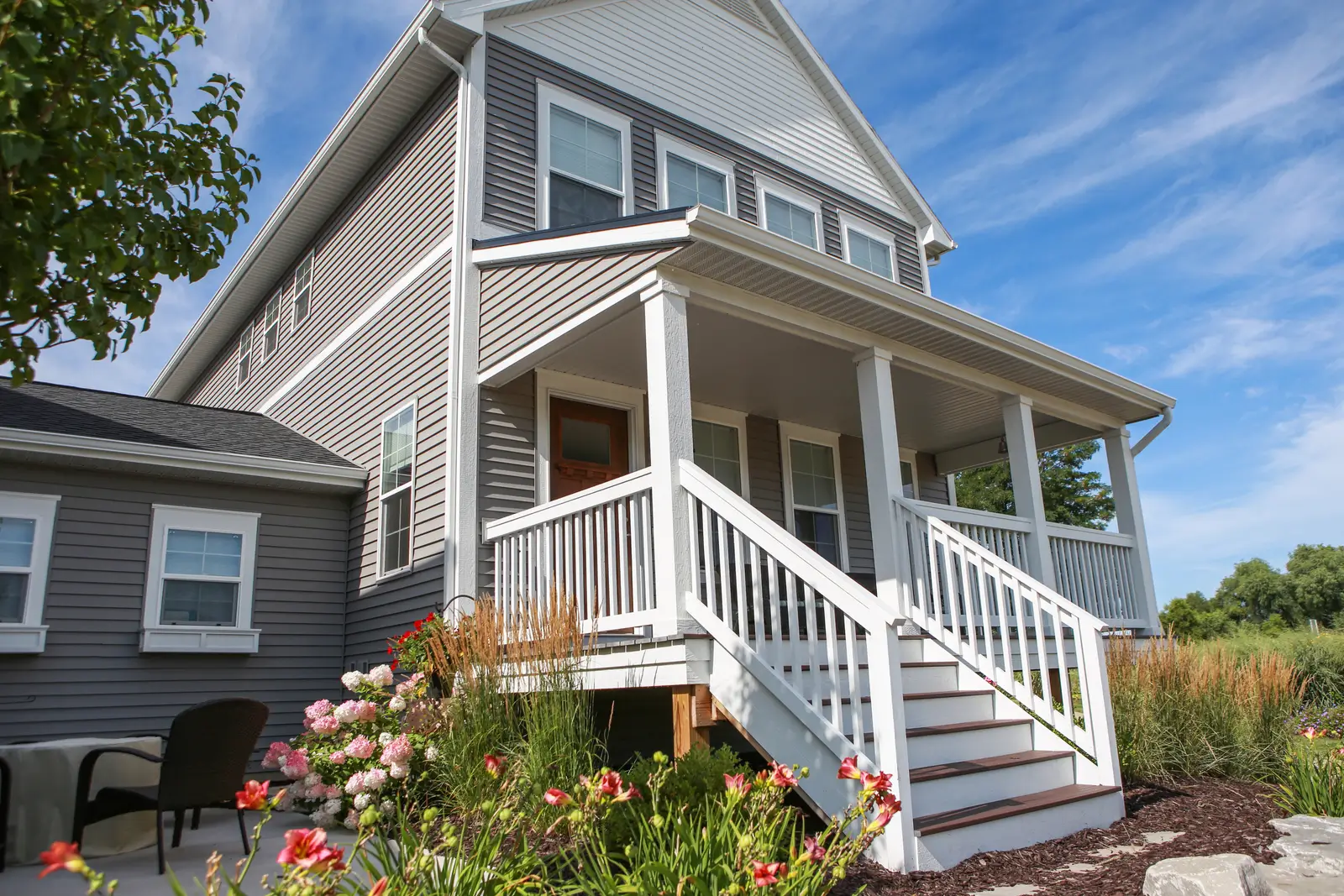
Owning a rental property in Bluffton requires a more strategic approach to property insurance than in inland markets. Coastal areas in South Carolina may face greater exposure to flooding, wind, and long-term weather-related damage, all of which directly affect insurance coverage decisions and costs.
For property owners, the goal is not just to meet basic requirements but to protect both the physical asset and the rental income it produces.
This guide breaks down how landlord insurance works in Bluffton, what gaps to watch for, and how to align coverage with real risks. Continue reading for a clear, practical guide to protecting your investment.
Key Takeaways
- Bluffton rental properties face higher exposure to flood damage and severe weather events.
- Landlord insurance provides coverage designed for income-producing properties.
- Flood insurance and wind deductibles are critical in coastal South Carolina.
- Strong coverage protects both property value and rental income stability.
Why Coastal Rentals in Bluffton Require Specialized Insurance
Bluffton rental property owners operate in a coastal environment where insurance needs differ from those in inland South Carolina.
Key factors that influence risk:
- Proximity to water and flood zones
- Exposure to severe weather events like hurricanes and hail
- Increased potential for property damage from wind-driven rain
These conditions can influence insurance premiums and coverage requirements. According to the Insurance Information Institute, property insurance pricing is shaped by location, construction type, and claims history.
Not all coastal markets are identical. While Myrtle Beach shares some exposure, Bluffton’s flood mapping and development patterns create a distinct risk profile for rental property owners.
Landlord Insurance vs. Homeowners Insurance
Landlord insurance is designed specifically for rental property, while homeowners insurance is intended for owner-occupied properties.
Unlike homeowners' insurance, landlord insurance includes:
- Protection tied to tenant occupancy
- Coverage for rental income loss
- Expanded liability protection for tenant-related risks
A landlord insurance policy helps protect landlords from financial loss caused by property damage, liability claims, and lost rental income. For Bluffton property owners, this distinction is especially important given the added complexity of coastal risks.
What South Carolina Landlord Insurance Typically Covers
A South Carolina landlord insurance policy is structured to protect both the property and the income it generates.
Core components of coverage include:
- Dwelling coverage: Protects the physical structure from covered perils such as fire, wind, and certain types of property damage.
- Liability coverage: Provides liability protection against liability claims involving tenant or guest injuries, including legal costs and medical expenses tied to a covered event.
- Personal property (limited): Covers landlord-owned items used to maintain the rental property.
- Rental income coverage: Helps replace lost rental income after a covered loss or covered event makes the unit uninhabitable.
Understanding how your insurance policy defines a covered loss, covered event, and covered perils is essential when evaluating protection.
Flood Insurance and Coastal Coverage Gaps
Flood risk is one of the most important insurance considerations for Bluffton landlords.
Key facts about flood coverage:
- Standard property insurance policies do not cover flood damage
- Flood insurance must typically be purchased separately
- Flooding can occur outside designated high-risk zones
Named storm and wind or hail deductibles also require careful attention in coastal South Carolina. Many policies include separate deductibles for storm-related damage, which can significantly affect out-of-pocket costs.
Because of these gaps, landlords should carefully evaluate coverage limits and consider higher coverage limits or optional coverage where needed.
Protecting Rental Income and Financial Stability
Rental income is a central component of any investment property. When a covered event disrupts occupancy, income loss can quickly impact financial stability.
How rental income coverage works:
- Applies when a covered loss makes the property uninhabitable
- Helps replace lost rental income during repairs
- Supports ongoing expenses such as mortgage payments
Landlords should align coverage with their risk tolerance. Those with limited reserves may need stronger insurance coverage to reduce financial exposure.
Tracking performance and planning for disruptions is also important. Using financial reporting tools helps property owners monitor income and prepare for potential disruptions.
Liability Risks and Legal Exposure
Liability is one of the most significant risks for rental property owners.
Common sources of liability claims include:
- Slip and fall incidents
- Poor maintenance or unsafe conditions
- Storm-related hazards
Liability insurance provides liability protection by covering:
- Legal expenses
- Settlements
- Medical expenses
Tenant damage may be covered in some cases, depending on the policy and cause of loss. However, coverage can vary, so it's important to review your insurance policy. Preventive maintenance is one of the most effective ways to reduce exposure. Working with property maintenance support helps keep properties safe and compliant.
What Drives Insurance Costs in Bluffton
Insurance costs in Bluffton are influenced by several key factors:
- Location and flood exposure
- Property type and construction quality
- Roof condition and building age
- Claims history
- Coverage limits and deductible structure
Coastal properties often face higher premiums due to increased exposure to severe weather events. Well-maintained properties may help stabilize insurance premiums over time.
Comparing options from multiple insurers and working with an experienced insurance agent can help landlords secure appropriate coverage.
Choosing the Right Insurance Coverage
Selecting the right insurance coverage requires a detailed evaluation of your property and its risks.
Key considerations include:
- Property type and tenant profile
- Lease structure and occupancy
- Exposure to flood and storm damage
- Long-term investment goals
Landlord insurance in South Coastal markets differs from that in inland markets. South Carolina landlord insurance should reflect local conditions, including flood exposure and weather patterns.
Before finalizing a policy, review:
- Exclusions
- Deductibles
- Policy's coverage
- Claims process
Making informed decisions rather than focusing solely on price leads to stronger long-term protection, and resources such as property management insights can support better planning.
Practical Insurance Tips for Bluffton Landlords
A proactive approach to insurance can improve both coverage and outcomes.
Recommended best practices:
- Review your insurance policy annually before hurricane season
- Document maintenance, repairs, and upgrades
- Understand lender requirements versus actual coverage needs
- Ask about flood coverage and exclusions
- Work with an insurance agent familiar with coastal South Carolina
Landlords should also encourage tenants to carry renters' insurance to protect personal belongings.
FAQs
1. Do I need flood insurance if my property is not in a high-risk zone?
Yes, because flooding can still occur outside high-risk zones, especially in coastal areas like Bluffton. Many landlords choose flood insurance to reduce exposure to unexpected losses.
2. What does landlord insurance typically not cover?
Most policies do not cover flood damage, tenant belongings, or certain forms of tenant-caused damage, depending on the policy terms. Reviewing exclusions helps identify any gaps in protection.
3. How does rental income coverage work?
Rental income coverage replaces lost rent when a covered event makes the property uninhabitable. It helps maintain financial stability during the repair period.
4. Should tenants carry renters insurance?
Yes, because renters' insurance protects tenants' belongings and reduces disputes after a loss. It also adds an extra layer of protection for landlords.
Turning Coastal Risk into a Strategic Advantage
Bluffton landlords face a set of risks that requires more than a basic insurance policy. Coastal exposure, liability concerns, and income protection all play a role in building a resilient investment.
The most effective approach is to align insurance coverage with the property’s location, use, and financial goals. At Foreshore, LLC, we help property owners navigate these decisions with clarity and local expertise. If you are ready to strengthen your investment and protect your rental income, reach out today to take the next step with confidence.